
 The basket is empty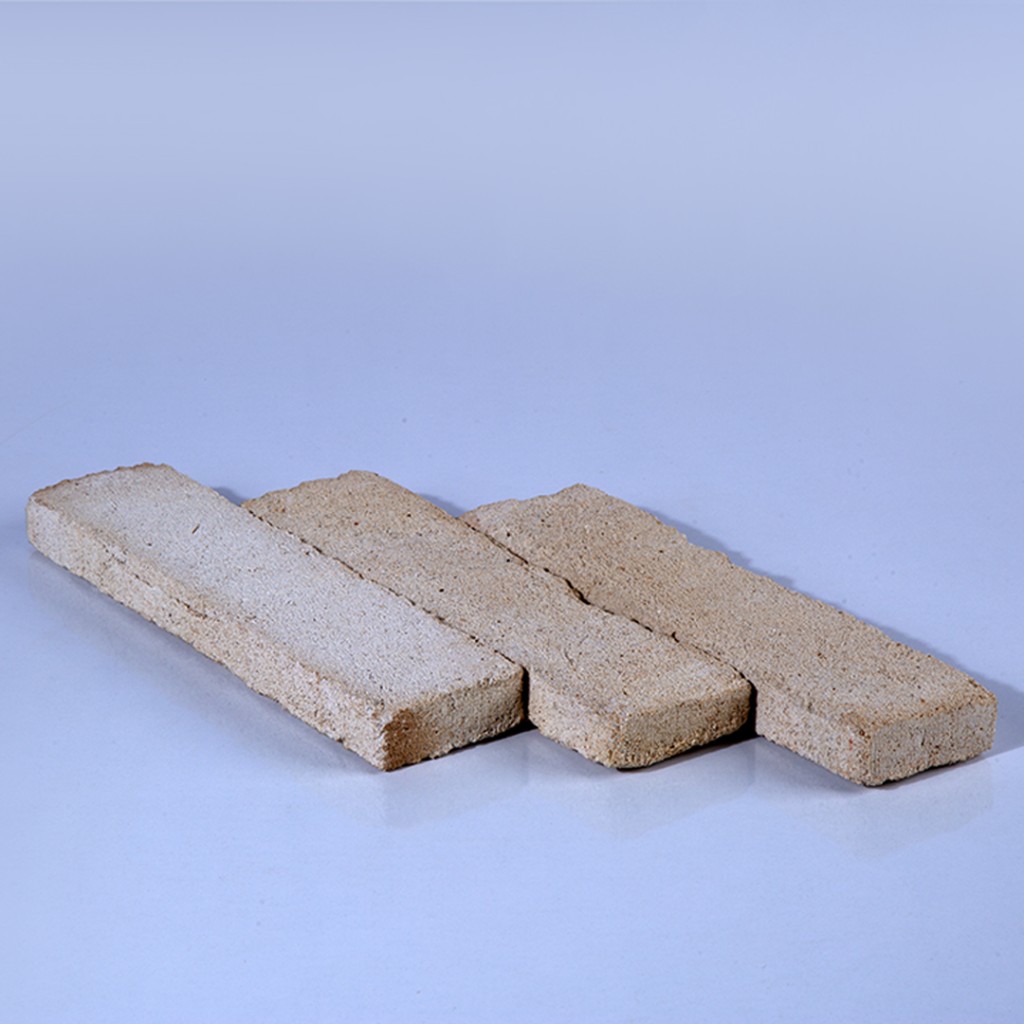
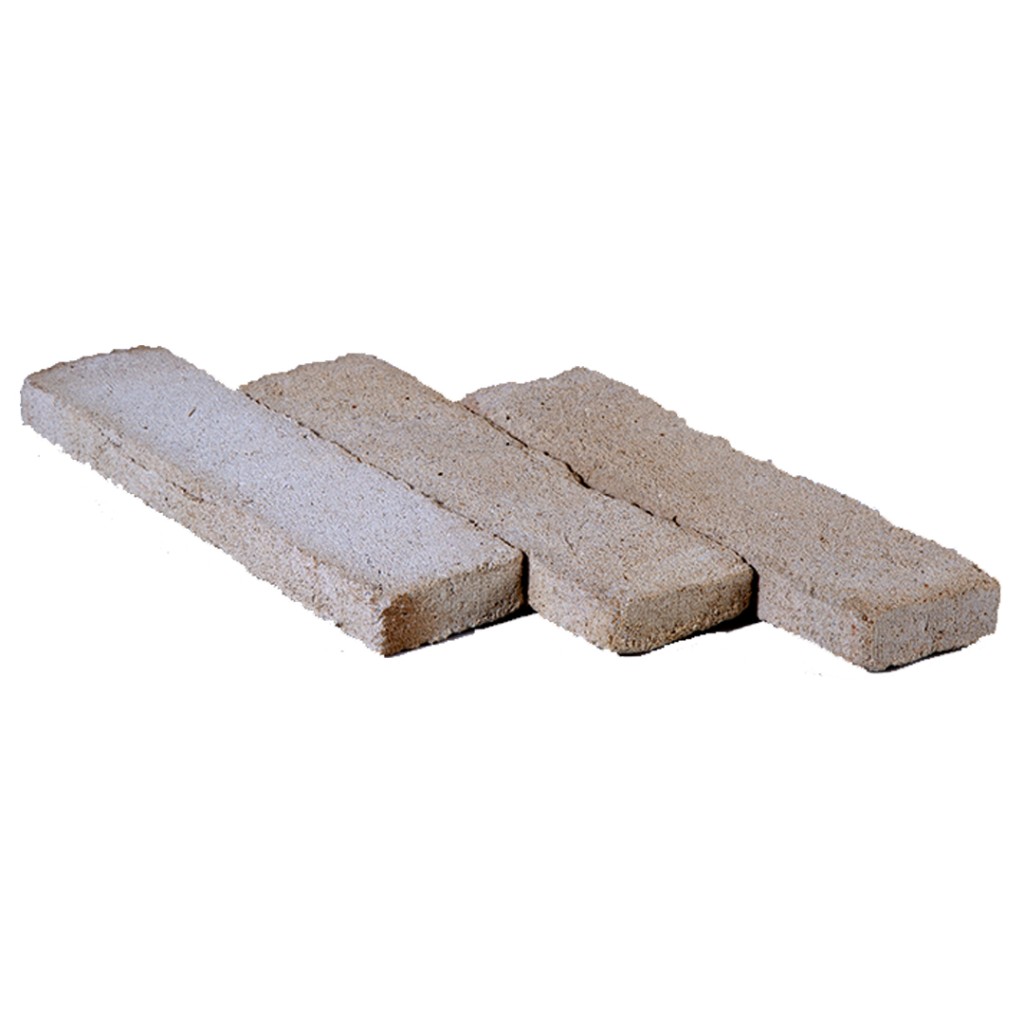
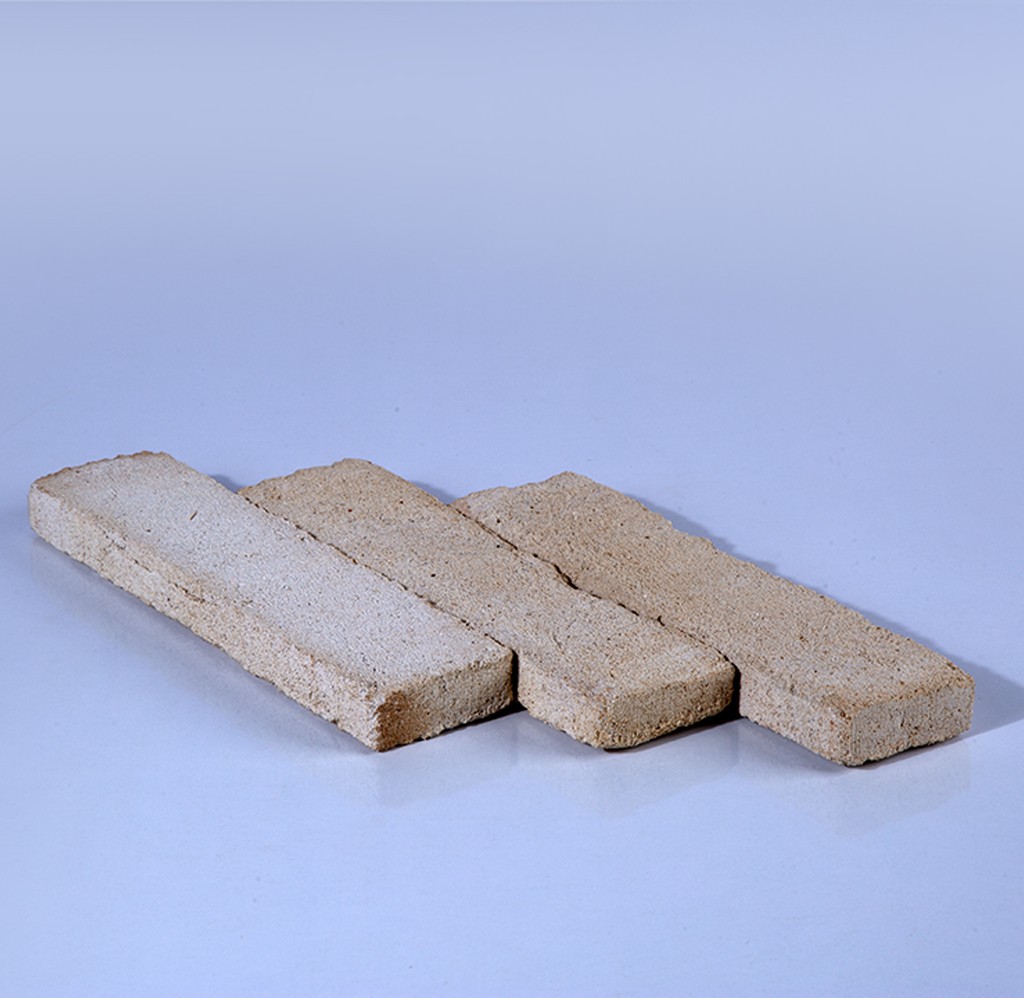
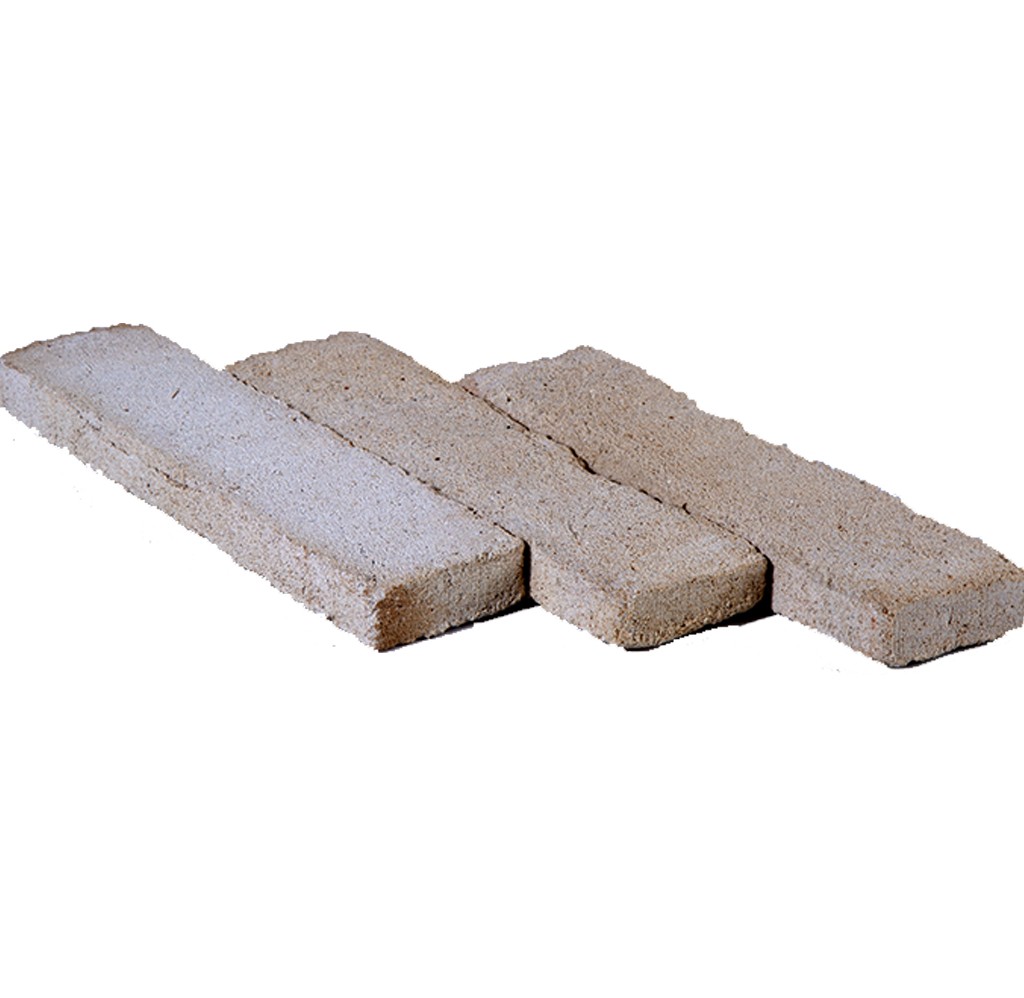
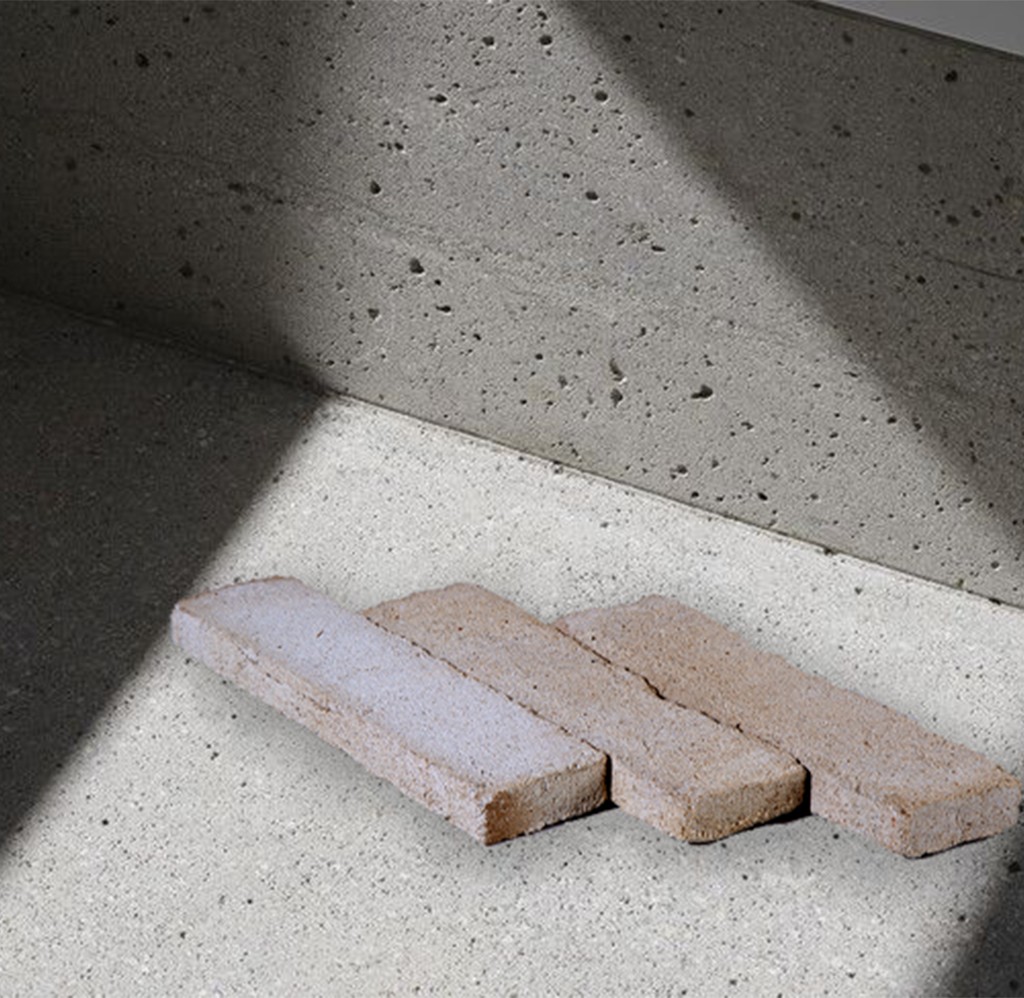
Traditional white rustic brick 2.5*6*24 single code
Brick as a Building Material
A Comprehensive Technical and Historical Overview
Introduction
Brick is one of the oldest and most enduring building materials in human history. From ancient Mesopotamian ziggurats to modern architectural facades, bricks have been used for more than 10,000 years, evolving in composition, manufacturing methods, and structural applications. Their longevity, thermal performance, and aesthetic qualities have made them a staple in civilizations worldwide.
1. History and Origins
Brick’s origins trace back to prehistoric times, when early humans shaped sun‑dried clay into blocks for shelters.
Key historical milestones
- 7000 BCE: Earliest evidence of mud bricks in the Near East (Jericho, Çatalhöyük).
- 3500 BCE: Fired bricks introduced in Mesopotamia, improving durability.
- Roman Empire: Standardization of brick sizes and modular construction.
- Industrial Revolution: Mechanized brick production, mass availability.
- Modern era: Specialty bricks, engineered bricks, eco‑friendly and insulating variants.
2. Raw Materials Used in Brick
Traditional brick is primarily composed of:
1. Clay
- Main component providing plasticity.
- Typically a mixture of kaolinite, illite, and montmorillonite.
2. Shale
- Fine‑grained sedimentary rock that improves strength when fired.
3. Sand/Silt
- Controls shrinkage during drying.
4. Additives (optional)
- Sawdust (improves firing efficiency)
- Fly ash (increases workability)
- Pigments (affect final color)
- Limestone or grog (temperature resistance)
3. Manufacturing Process
The brick-making process is generally divided into five major stages:
3.1. Mining & Preparation
- Raw clay and shale are excavated.
- Materials are crushed, screened, and mixed with water.
- Homogenization ensures consistent texture and color.
3.2. Moulding or Forming
Three main methods:
1. Soft mud (traditional)
- Wet clay pressed into moulds.
- Creates classic textures.
2. Stiff mud (extrusion)
- Most common modern method.
- Clay extruded through a die, cut into units.
- Allows uniformity and high volume.
3. Dry press
- Used for dense, precise bricks.
- Lower moisture content, high-pressure pressing.
3.3. Drying
Bricks are air-dried or placed in controlled chamber dryers for 20–40 hours.
Purpose: reduce moisture to prevent cracking during firing.
3.4. Firing
Fired in kilns at 900–1200°C.
Types of kilns:
- Clamp kilns (oldest)
- Hoffmann kilns (continuous firing)
- Tunnel kilns (modern industry standard)
Firing outcomes:
- Increases strength
- Reduces porosity
- Produces final color from pale yellow to deep red/brown
3.5. Cooling & Packaging
Bricks cool for 24–48 hours before grading and stacking.
4. Types of Bricks
4.1. By Material / Manufacturing
- Clay bricks (most common)
- Sand-lime bricks (white, precise, strong)
- Fly-ash bricks (eco‑friendly, light)
- Firebricks (refractory, kiln and fireplace use)
4.2. By Purpose
- Common bricks: basic structural use
- Facing bricks: exposed surfaces, decorative
- Engineering bricks: high compressive strength, low porosity
- Perforated & hollow bricks: lightweight, good thermal performance
- Paving bricks: hard-wearing for walkways and streets
4.3. By Grade (Strength)
Measured using compressive strength, typically
- 3.5 MPa (low grade)
- 7–10 MPa (standard)
- 20+ MPa (engineering/high-strength)
5. Physical & Mechanical Properties
5.1. Compressive Strength
A major advantage of brick masonry.
Typical range: 7–80 MPa, depending on type.
5.2. Density
Ranges between 1600–1900 kg/m³ for solid fired bricks.
5.3. Water Absorption
Usually 12–20%, though engineering bricks < 7%.
5.4. Thermal Properties
Brick has excellent thermal mass—it absorbs heat during the day and releases it at night.
This stabilizes indoor temperature and reduces energy consumption.
5.5. Fire Resistance
Clay bricks are non-combustible and can withstand temperatures over 1000°C.
Fire ratings for brick walls often exceed 4 hours.
6. Advantages of Brick as a Building Material
- Durability: Many brick structures last centuries.
- Thermal efficiency: Good insulation and thermal mass.
- Fire resistance: Superior to timber and many composites.
- Acoustic performance: Dense material reduces sound transmission.
- Low maintenance: Resistant to weathering, pests, and decay.
- Aesthetic versatility: Colors, textures, and patterns for expressive architecture.
- Recyclability: Old bricks can be reused or crushed into aggregates.
7. Limitations
- High labor cost: Bricklaying is time‑intensive.
- Heavy material: Increases structural load and foundation requirements.
- Water absorption: Can lead to efflorescence or moisture problems without proper detailing.
- Slower construction speed: Compared to prefabricated panels or concrete blocks.
8. Brick Bonds (Patterns)
Patterns distribute loads and create aesthetic effects.
Common bonds:
- Stretcher bond
- Header bond
- English bond
- Flemish bond
- Herringbone (decorative)
- Basketweave
Each pattern offers different structural and visual qualities.
9. Applications
- Load-bearing walls
- Partition walls
- Facade cladding
- Pavements and walkways
- Arches, columns, and decorative elements
- Fireplaces, chimneys, and ovens
- Landscaping (planters, retaining walls)
10. Sustainability and Modern Trends
Modern brick manufacturing aims to lower environmental impact through:
- Reduced firing temperatures
- Energy-efficient kilns
- Use of waste additives (fly ash, glass powder, recycled clay)
- Thin brick veneers reducing material consumption
- Passive solar design using brick’s thermal mass
- Reclaimed antique brick markets
- Carbon-neutral production initiatives
11. Comparison with Other Masonry Materials
Brick vs. Concrete Block
- Brick: better aesthetics, fire resistance, thermal mass
- Concrete block: faster construction, cheaper, less labor
Brick vs. Stone
- Brick: easier to work with, uniform
- Stone: higher durability, more expensive
Brick vs. Wood
- Brick: fireproof and weather‑resistant
- Wood: lighter, faster, more vulnerable to decay
Conclusion
Brick remains a celebrated construction material due to its strength, beauty, thermal performance, and historical value. Despite modern alternatives, brick continues to play a vital role in architecture and engineering, balancing tradition with contemporary innovation.
| Product name | Traditional white rustic brick 2.5*6*24 single code |


Your email address will not be published.
Please keep your comment as relevant as possible.
Please write in English.
Do you want your own photo to accompany your comment? Go to gravatar.com and add your photo.
Your comments will be published after approval by the admin.